
Balancing Structure and BAU Responsiveness in AI & BI Delivery
Sunday mornings bring clarity to a week’s complexities. I’m reflecting on a pressing question for every data leader: how do we balance structure in delivering AI and BI projects with agility for those urgent ‘business as usual’ demands?
Every unexpected support call or pivot can make even the best-planned roadmap wobble. For teams—and end users—constant change tests patience and clarity, leading to fatigue and uncertainty.
The Reality of Competing Demands
AI and BI initiatives need structure: governance, methodical execution, and dedicated focus. But business operations never pause; critical reports break, data pipelines fail, dashboards need last-minute updates, and user needs can’t always wait for next week’s sprint.
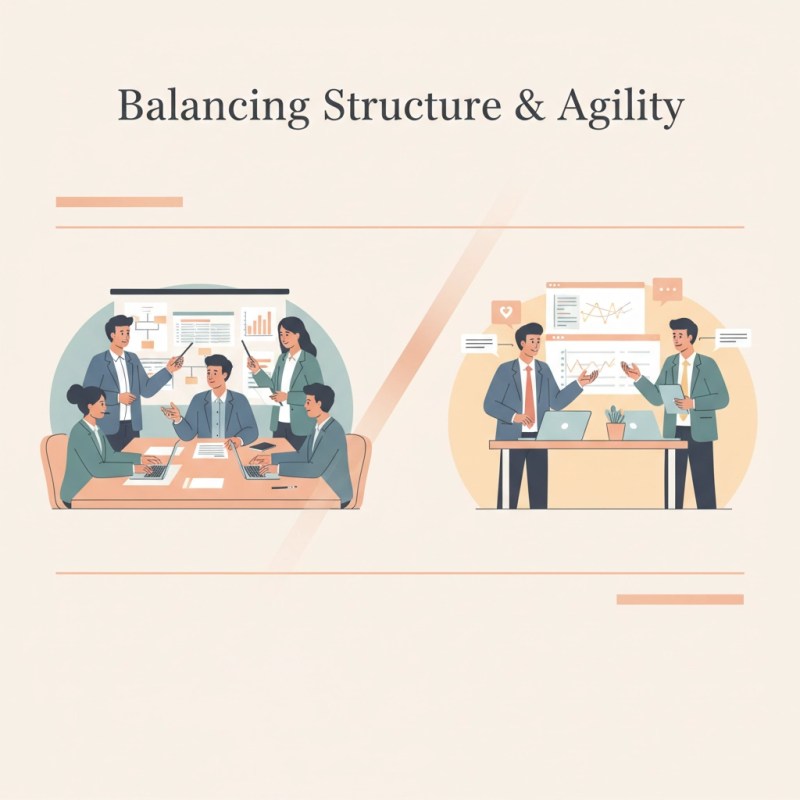
Our ambitions for AI and BI often meet the messy reality of urgent BAU. This isn’t rare, unfortunately. For some teams, it’s a daily firefight. The challenge is very real.
The Human Impact of Constant Change
Frequent direction shifts cause project delays, For teams; they create cognitive fatigue and a sense of perpetual readjustment. For example, witching from AI model development to fixing urgent reporting issues drains mental energy and depletes focus.
For end users, there are mixed messages. On one hand, there are promises of new capabilities versus ongoing basic issues. When the basic issues aren't resolved, and new features aren't delivered, then it is understandable that business teams suffer an erosion of trust and clarity in the IT and data teams' ability to deliver. Research shows teams facing frequent shifts experience significantly higher stress and lower job satisfaction. These numbers represent real people struggling with change.
The Leadership Challenge
Balancing structure with agility isn’t just about calendars. It's also about people. Leaders must be methodical and reactive, strategic and tactical, patient and urgent. Teams hate to be micromanaged, of course, so what practical considerations should be addressed?
- Are direction shifts explained clearly to everyone impacted?
- Are teams shown empathy when balancing priorities?
- Do end users understand the context behind every change?
- How do we give back to teams who deliver under pressure?
Good teams need clarity, support and recognition. When direction is piecemeal, solutions become fragmented—and the best work is lost to the urgent needs.
Strategies for Gentle Leadership
Gentle leadership is built on transparent communication and gratitude. It’s about maintaining focus, listening to concerns, and advocating for support.
Transparent Communication
Every emergency disrupts the plan - so explain why. Weekly context sessions help teams understand shifting priorities and the reasons behind urgent requests.
Protecting Focus
Create structured boundaries for deep work, such as “focus blocks”, which are periods reserved for strategic project work unless there’s a genuine emergency.
Acknowledgment & Resource Advocacy
Face the facts: many teams are under-resourced yet asked to over-deliver. Leaders need to fight for realistic timelines and support—not just push for performance.Encourage business teams to go through the Team Lead rather than developers directly so that the developers have appropriate headspace to focus and deliver.

It’s important for business stakeholders to understand the true cost of last-minute change requests.
Building Sustainable Approaches
To thrive, design systems that allow for both structure and responsiveness. Tiered support models, automation, and cross-functional partnerships help BAU issues get solved quickly without undermining strategic goals.

Help stakeholders see how urgent requests impact long-term value, so they advocate for better planning rather than constant disruption.
How do you say No? Turning ‘No’ into ‘Not Yet’
Balanced data leadership means protecting your team’s wellbeing and building sustainable cultures—where “how is this affecting our people?” is as important as “when will this be done?”
True innovation in AI and BI only happens within cultures that honour focus and emotional safety.
The successful organisations in the AI era will move thoughtfully, balancing technical excellence with humanity.